Pill Pusher’s Paradise
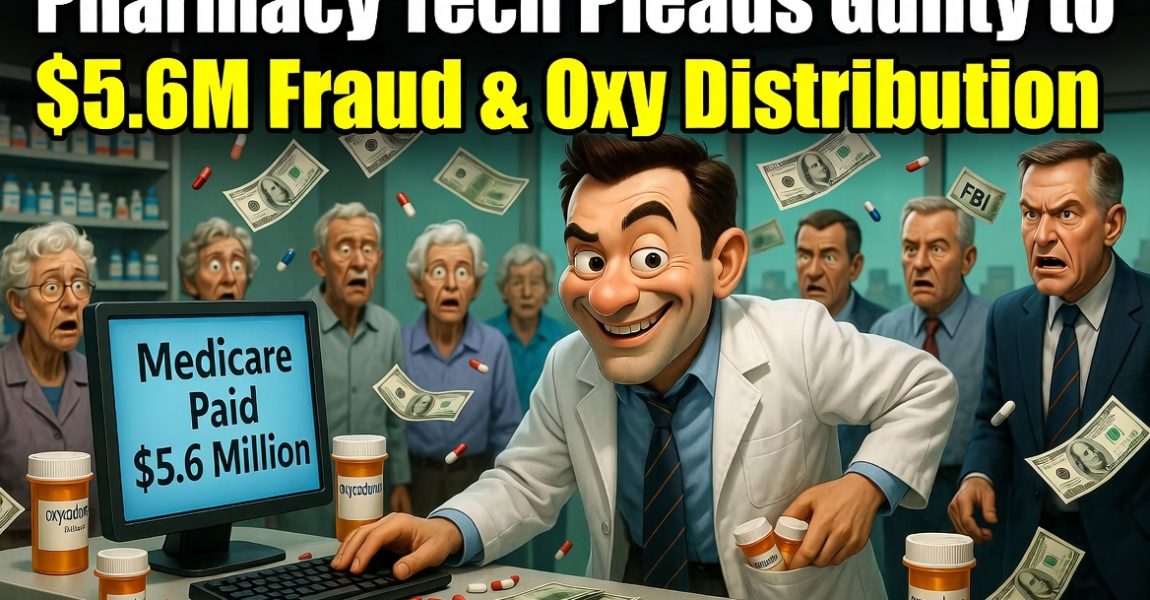
Ali Naserdean always knew he had a calling. While other kids dreamed of becoming astronauts or firefighters, young Ali dreamed of becoming a Pharmacy Technician. Not because he loved helping people, of course. That would be ridiculous. No, Ali loved the idea of sitting in a white coat, surrounded by little orange bottles filled with other people’s hopes, dreams, and perfectly billable oxycodone. And for years, he excelled. While honest technicians counted pills like suckers, Ali and his co-conspirator treated the pharmacy like an all-you-can-steal buffet with government funding. Their business model was elegant in its stupidity: bill Medicare, Medicaid, and Blue Cross Blue Shield for drugs that were never dispensed, while quietly selling the real ones on the side like they were running the world’s most overpriced lemonade stand. Oxycodone flew out the back door faster than gossip at a church potluck. Over time, the scheme grew so bloated it hit a majestic $5.6 million in losses. Five-point-six million dollars. That’s not a mistake. That’s not “oopsie.” That’s “I could have bought a small island and still had enough left for a yacht named ‘OxyContin Dreams.’”But as every criminal mastermind eventually learns, the government eventually notices when you treat their insurance programs like a personal piggy bank with a heroin habit. One day, the feds showed up with more paperwork than Ali had fake prescriptions. n court, Ali did what any self-respecting fraudster would do: he pleaded guilty. Not out of remorse, mind you. Remorse is for amateurs. He pleaded guilty because the evidence was so overwhelming that denying it would’ve been like arguing the sky isn’t blue while standing outside at noon holding a mirror. The judge stared at him with that special expression reserved for people who somehow manage to defraud sick people and taxpayers at the same time. Ali, in return, offered the classic “I was just following orders… from my greed” defense, which surprisingly doesn’t hold up well in federal court. Now Ali faces the harsh reality that comes after every good run: prison time, restitution, and the crushing knowledge that he’ll never again get to wear that sacred white coat while treating controlled substances like party favors. Somewhere in Michigan, a pharmacist is probably still shaking his head, muttering, “We told him not to touch the Schedule II’s like they were Skittles.”
Moral of the story? If you’re going to commit $5.6 million in health care fraud, at least have the decency to be subtle. Or, you know… just don’t. But that’s boring, and Ali was never about boring. He was about bold.
He was about stupid.
Mostly stupid. And now he’s about to become very familiar with the phrase “three hots and a cot” — paid for, ironically, by taxpayers once again. The circle of fraud is complete.